
Expensive AC Repairs Caught Early
In the world of home maintenance, few systems are as crucial to daily comfort as air conditioning. Just as important as a well-functioning AC system is the need to recognize and address potential issues before they escalate into costly AC repairs. This article delves into the most common expensive AC repairs and how catching them early can save homeowners time, money, and discomfort. With the number of heating and air-conditioning contractor businesses forecasted to reach approximately 117,449 in the U.S. by 2025, the importance of professional intervention is increasingly significant. These businesses play a pivotal role in diagnosing and preventing major AC issues that could lead to expensive AC repairs if not handled promptly.
1. Compressor Failure Prevention
1.1. Understanding the Role of the Compressor
The compressor is often considered the heart of your air conditioning system. Its primary function is to circulate refrigerant throughout the AC unit, allowing it to absorb and release heat effectively. An efficiently working compressor ensures your AC can cool your home effectively, providing comfort during hot months. Without a functioning compressor, the cooling cycle cannot be completed, causing the system to lose its ability to regulate temperature. Understanding its importance can help homeowners appreciate why maintenance is crucial to prevent failure.
1.2. Common Causes of Compressor Failure
Compressor failure can stem from a variety of causes, each affecting its ability to perform optimally. Electrical issues, refrigerant imbalances, and poor maintenance habits are among the most common culprits. Electrical problems may arise from worn wiring or a malfunctioning capacitor, both crucial to the compressor’s operation. Refrigerant imbalances often result from leaks, leading to an ineffective cooling cycle and increased compressor wear. Additionally, lack of regular maintenance, such as cleaning and replacing filters, can significantly increase the risk of compressor failure.
1.3. Warning Signs of a Failing Compressor
There are several warning signs associated with impending compressor failure that homeowners should watch for. One of these is the system blowing warm air instead of cool, indicative of a malfunctioning cooling cycle. Strange noises, like growling or screeching, can also signal mechanical issues within the compressor. Increased energy bills despite regular usage may point to an overworking compressor struggling to maintain efficiency. Recognizing these signs early can prompt quick intervention, often saving the compressor from total breakdown and avoiding costly replacements.
1.4. Maintenance Tips to Prevent Compressor Issues
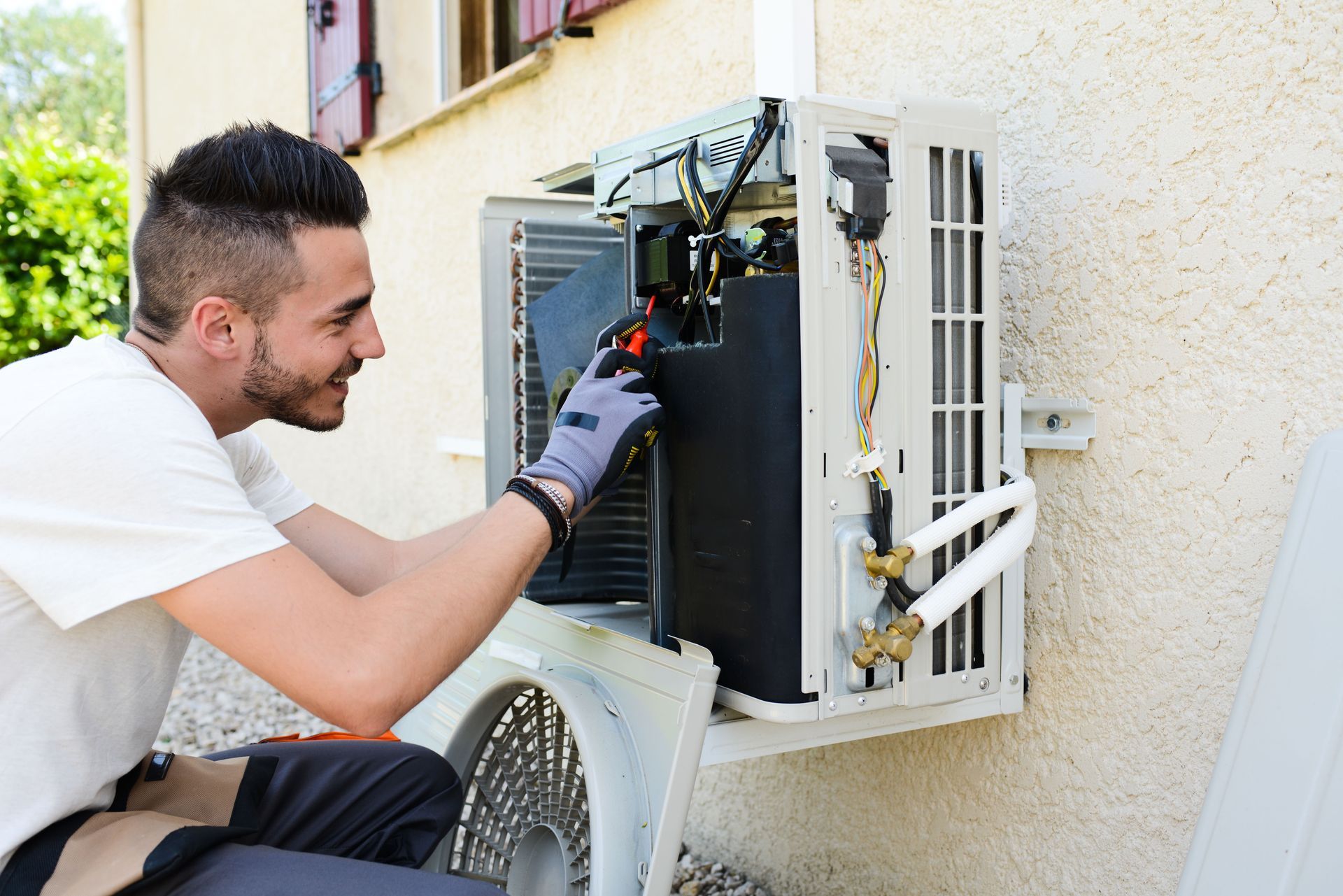
Regular maintenance is key to preventing compressor-related issues. Scheduling annual inspections with a professional technician can help identify potential problems before they escalate. Keeping the area around your AC unit clear from debris ensures adequate airflow, reducing strain on the compressor. Regularly changing air filters reduces the risk of clogs, which can suffocate the system and overwork the compressor. Additionally, checking refrigerant levels can prevent imbalances that often lead to compressor strain and eventual failure.
2. Coil Deterioration Issues
2.1. Difference Between Evaporator and Condenser Coils
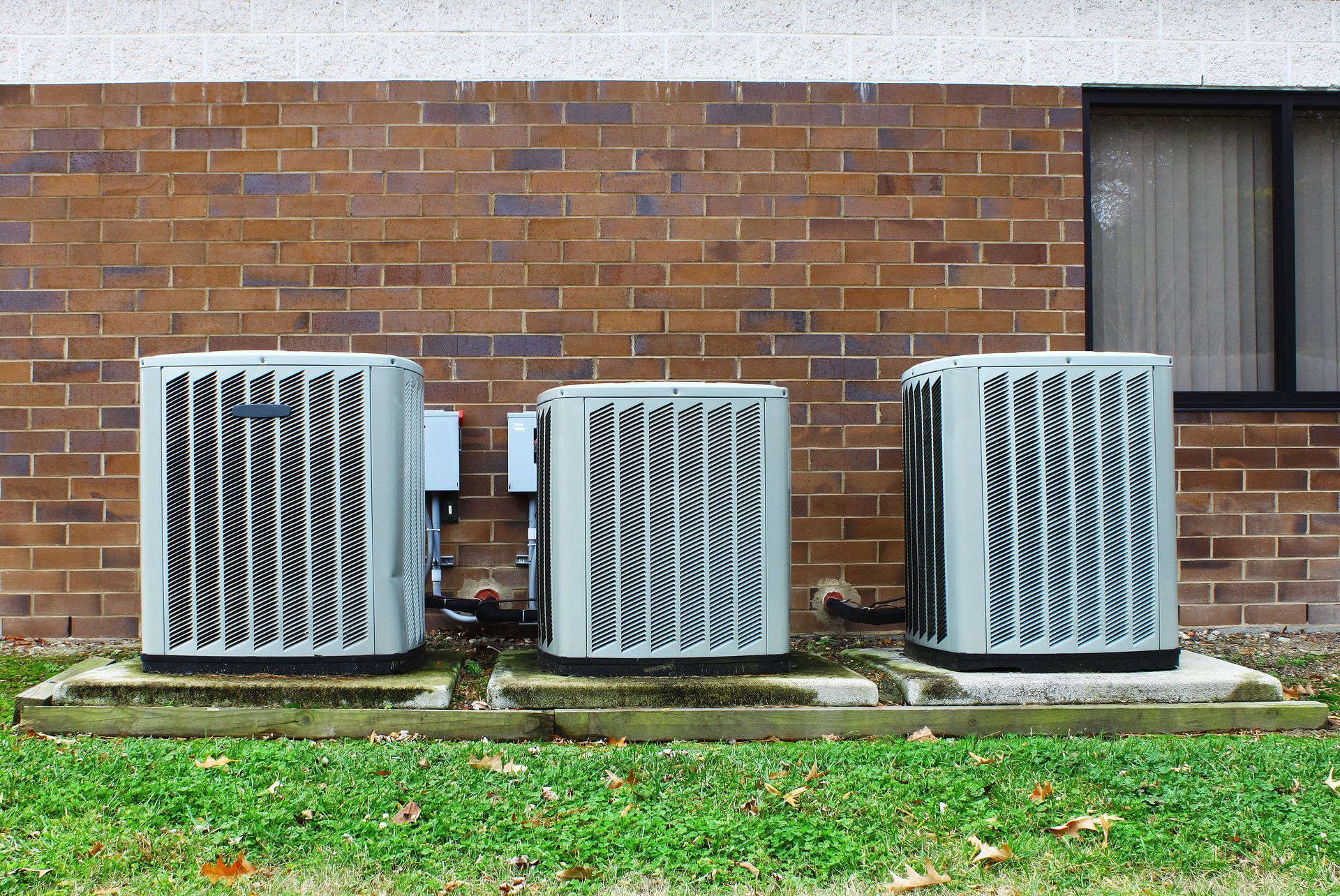
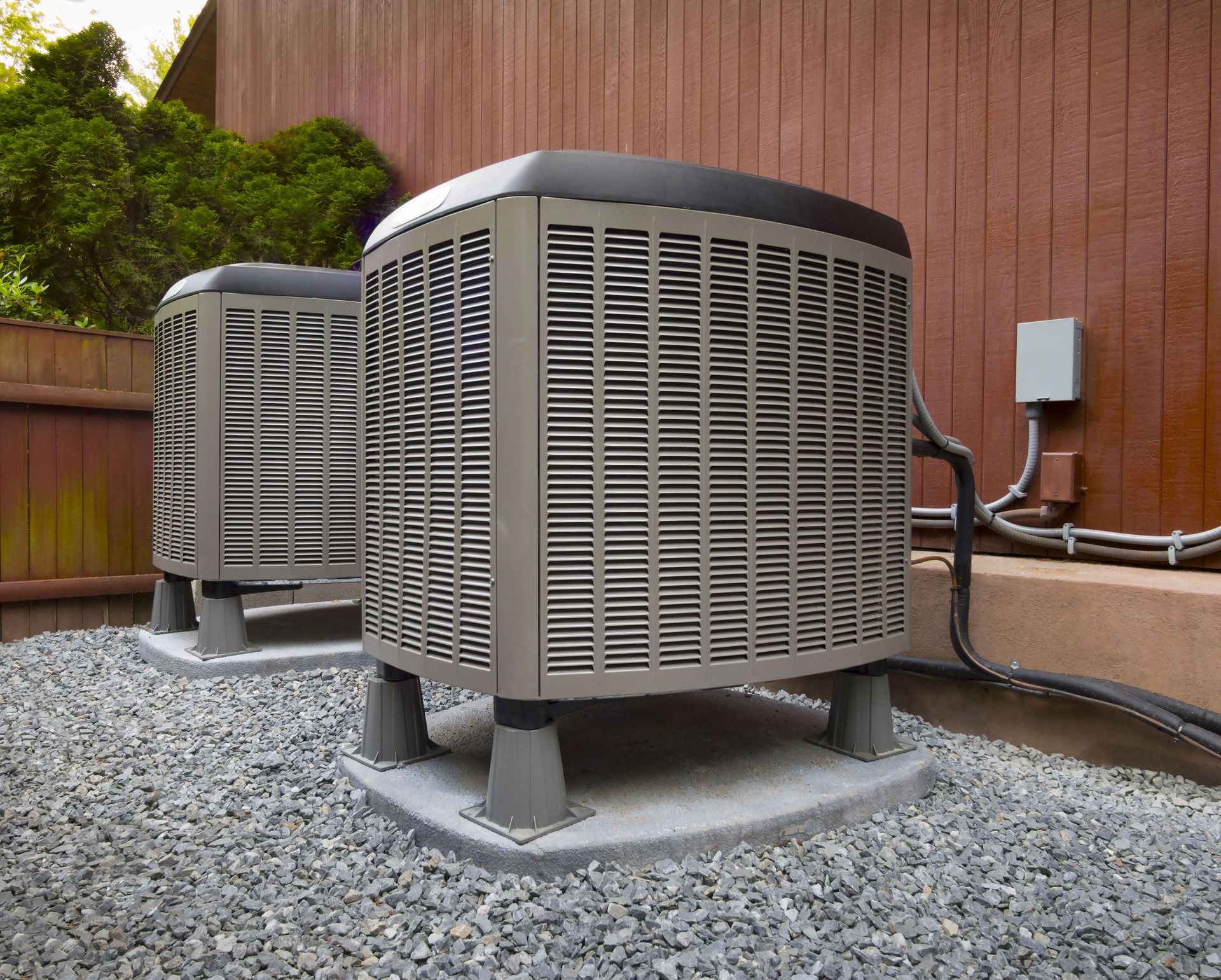
Air conditioning systems consist of two primary coils: the evaporator coil and the condenser coil, each playing a critical role. The evaporator coil is located indoors and works to absorb heat from the air inside your home as the refrigerant passes through it. The condenser coil, located outside, releases absorbed heat to the outside air, facilitating the cooling cycle. Understanding this difference helps homeowners pinpoint which coil might be the cause of issues when their AC system doesn't perform as expected. Effective operation of both coils is necessary for optimal cooling and efficiency.
2.2. How Coil Deterioration Begins
Coil deterioration typically begins with the accumulation of dirt, dust, and debris. These materials form an insulating layer on the coils, hindering heat exchange and forcing the system to work harder. Constant exposure to moisture can also cause coils to corrode over time, especially in environments with high humidity or pollution levels. In some cases, poor installation practices might lead to improper coil support, which can accelerate wear and tear. Identifying and addressing build-up proactively can slow down the deterioration process and extend the coil's lifespan.
2.3. Indicators of Coil Damage
Several indicators can hint at coil damage that needs attention. Homeowners might notice a significant drop in cooling efficiency, with rooms taking longer to cool or remaining warm. Unusual noises such as hissing or rattling might signal a problem with coil integrity or a refrigerant leak. Another common sign is the presence of ice on the coils, indicating inadequate airflow or refrigerant shortages. Foul odors can also emanate from a system with deteriorating coils, often the result of mold growth due to excess moisture. Prompt response to these signs can prevent further damage and the need for expensive AC repairs.
2.4. Regular Cleaning to Prolong Coil Life
Routine cleaning is one of the best preventative measures to extend coil life. Homeowners are advised to check and clean their coils at least once a year, removing any obvious debris and buildup. Professional technicians can perform more thorough cleanings, using specialized tools and solutions to reach deeper layers. Keeping the surrounding area of outdoor units free from leaves and dirt can also prevent unnecessary accumulation. By maintaining clean coils, homeowners can ensure their system operates efficiently and reduces the likelihood of needing early replacements.
3. Refrigerant Leak Consequences
3.1. Causes of Refrigerant Leaks
Refrigerant leaks are one of the more common issues in air conditioning systems and can have drastic consequences if untreated. These leaks can arise from corrosion of the metal coils where the refrigerant flows. Physical damage to the system, perhaps during maintenance or installation, can also create vulnerabilities for leaks. Additionally, poor installation practices can lead to stress on joints and connections, eventually causing them to leak. Over time, even small leaks can lead to substantial refrigerant loss, significantly impacting system performance.
3.2. Identifying Signs of a Refrigerant Leak
Recognizing a refrigerant leak early can save homeowners from costly AC repairs and inefficient cooling. Common signs of a possible leak include the system not cooling effectively, often due to insufficient refrigerant levels. Ice buildup on the evaporator coils may indicate a refrigerant imbalance. A noticeable increase in electricity bills, due to the system working harder to maintain desired temperatures, is another potential indicator. Some leaks may produce a hissing sound near the system, an audible cue of escaping refrigerant. Taking action upon these symptoms can prevent further complications.
3.3. Environmental and Systematic Effects of Leaks
Refrigerant leaks pose both environmental and functional challenges. Refrigerants are often greenhouse gases, which contribute to global warming when released into the atmosphere. From a functional perspective, leaks reduce the system's ability to cool effectively, leading to increased wear and tear. Overworking the AC without adequate refrigerant can also cause other components, like the compressor, to fail prematurely. Awareness of these impacts underscores the importance of timely intervention and repair. Professionals can identify and seal leaks, minimizing environmental impact and restoring system functionality.
3.4. Early Detection and Repair Options
Detecting refrigerant leaks early can significantly reduce repair costs and system downtime. Regular inspections by qualified technicians can help identify leaks in their infancy before they cause extensive damage. Electronic leak detectors and UV dyes are some tools professionals use to pinpoint exact leak locations. Once identified, repairing the leak promptly can restore system efficiency and prevent further damage. In many cases, sealing the leak and recharging the refrigerant may be sufficient, saving on potential larger scale repairs.
By understanding and addressing these common issues early, homeowners can prevent costly AC repairs and ensure their air conditioning systems operate efficiently. Regular maintenance, prompt attention to warning signs, and professional inspections are key strategies in safeguarding against expensive AC repairs. Early intervention not only saves money but also extends the lifespan of your AC system, providing peace of mind and uninterrupted comfort. With over 117,000 heating and air-conditioning contractors in the industry according to Leads 4 Build, accessing professional expertise keeps systems running smoothly. Ultimately, proactive care and timely services protect one of your home's most vital investments. Reach out to Comfort Experts today to see how we can help you!

Share On: