
Reasons Why You Should Never Delay AC Repairs
Summertime heat brings an increased reliance on residential cooling systems to maintain indoor comfort, balanced humidity, and safe living environments. When an air conditioner starts showing minor warning signs—such as unusual clicking sounds, faint metallic odors, warm spots across different rooms, or subtle dips in airflow—it can be tempting to postpone calling a professional technician. Busy schedules and competing household priorities often lead homeowners to hope that a minor glitch will simply resolve itself over time. However, ignoring minor operational issues almost always leads to compounding mechanical failures, inflated energy bills, structural component strain, and severely compromised indoor air quality. Prompt attention to system malfunctions preserves delicate internal mechanisms, maintains peak operating efficiency, and protects home comfort during periods of intense regional heat. Addressing necessary AC repairs as soon as trouble appears safeguards both your short-term household budget and your long-term cooling investment.
Ignoring Minor Issues Escalates Overall Repair Expenses
Small mechanical faults rarely stay small when a cooling system runs continuously under heavy summer workloads. Modern cooling systems operate as interconnected networks where every mechanical, electrical, and airflow component relies directly on the performance of surrounding parts.
By postponing essential AC repairs, homeowners risk turning a quick, inexpensive fix into a complex structural breakdown. For example, ignoring a struggling condenser fan motor can prevent heat from dissipating properly, causing the central compressor to overheat, strain, and eventually burn out entirely. Replacing a minor motor or capacitor is a straightforward process, whereas replacing a seized compressor represents one of the most expensive mechanical failures an HVAC owner can face.
Operating Faulty Equipment Increases Monthly Utility Bills
Air conditioning systems rely on precise airflow balances, calibrated refrigerant pressures, clean coil surfaces, and tight electrical connections to cool indoor spaces efficiently. When any part of the system experiences a mechanical breakdown, thermal restriction, or electrical bottleneck, overall operating efficiency drops dramatically. Rather than running short, effective cooling cycles, the unit must run longer and exert far more effort to achieve the target temperature requested by the home thermostat.
- Restricted Airflow: Clogged filters, failing blower motors, or slipping fan belts force the compressor to work overtime to circulate conditioned air throughout duct networks.
- Refrigerant Imbalances: Minor leaks reduce heat absorption capacity inside the evaporator coil, causing continuously long cooling cycles, poor dehumidification, and heavy electrical power draw.
- Failing Electrical Parts: Weak start capacitors or pitted contactors create electrical resistance, drawing unnecessary power spikes during compressor startup phases.
This continuous structural struggle directly reflects on monthly electricity statements in the form of sharp, unexplained utility rate spikes. Homeowners often find themselves paying substantially higher monthly electric bills without enjoying any improvement in indoor comfort or cooling output. Scheduling prompt AC repairs restores optimal operating parameters, allowing the equipment to cool your home efficiently without wasting valuable electricity or inflating monthly utility costs.
Postponing Essential Service Causes Unexpected System Collapses
Cooling systems tend to fail when they are under the highest amount of physical stress, which inevitably coincides with the hottest afternoons and most humid heatwaves of the summer season. Postponing needed maintenance or ignoring early warning signs significantly increases the probability of a complete system breakdown during extreme weather events. Surviving inside a home without functional climate control during peak summer temperatures is deeply uncomfortable, disrupts sleep quality, and can quickly become unsafe for vulnerable family members, elderly individuals, young children, and domestic pets.
Emergency service calls during peak heat periods often carry longer wait times due to high regional demand across all HVAC service providers. When thousands of households experience cooling failures simultaneously, securing immediate technician availability becomes a major challenge. Addressing AC repairs proactively during the earliest stages of mechanical trouble ensures your system receives proper attention on your own schedule, long before extreme ambient temperatures force an inconvenient and stressful complete system shutdown.
Neglecting Necessary Upkeep Shortens Overall System Lifespan
An air conditioning system represents a major financial investment for any property owner, making long-term equipment longevity a primary practical goal. Continuous operation with damaged, imbalanced, or malfunctioning internal parts subjects major mechanical assemblies to excessive friction, extreme thermal stress, severe vibration, and harmful electrical resistance. This constant physical wear gradually degrades the structural integrity of the unit, bringing the entire system toward premature failure years ahead of its intended operational life.
According to Today's Homeowner, an AC unit should last at least 15 years, though proper maintenance can lead to a lifespan of 25 years or more. Delaying crucial AC repairs cuts this operational window short, forcing homeowners into costly premature system replacements that could have easily been avoided with timely professional care. Consistent, proactive repairs protect vital internal assemblies, reduce overall mechanical fatigue, and preserve system integrity, allowing your cooling equipment to achieve its maximum potential service life.
Allowing Moisture Issues Promotes Indoor Air Contamination
Air conditioners do far more than simply lower indoor air temperatures; they also play a vital role in extracting excess moisture and removing humidity from living spaces. As warm home air passes over freezing evaporator coils, water vapor condenses into liquid form and drains safely out of the home through a dedicated condensate drainage line. When internal system faults occur—such as frozen coils, clogged drain pans, misaligned drainage trays, or cracked drain tubes—moisture begins pooling inside the unit or surrounding structural spaces.
- Mold and Mildew Spores: Standing water within dark HVAC cabinets creates ideal breeding grounds for dangerous mold and bacterial growth, which are subsequently blown through home ductwork into bedroom environments.
- Excessive Indoor Humidity: Faulty cooling cycles leave excess ambient moisture in the air, creating sticky, uncomfortable indoor conditions and fostering clammy living spaces.
- Dust Mite Proliferation: Elevated relative humidity levels encourage dust mite reproduction and worsen common indoor allergen triggers for family members with respiratory sensitivities.
Promptly completing necessary AC repairs clears blocked drain lines, resolves frozen evaporator coil conditions, restores dehumidification balance, and stops internal water leaks before localized structural water damage, mold infestation, or air contamination can compromise your household environment.
Disregarding Electrical Malfunctions Threatens Overall Home Safety
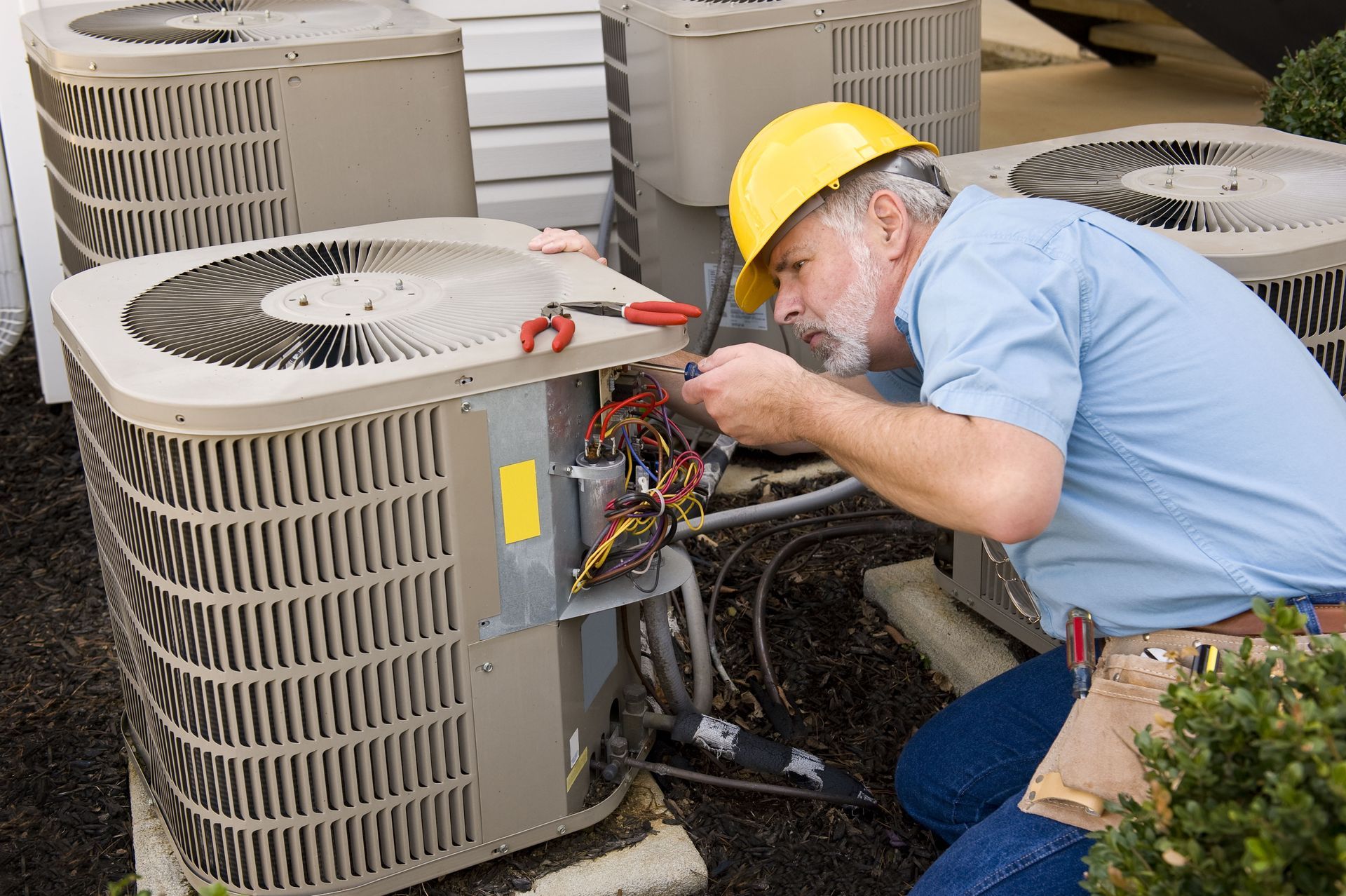
Air conditioning systems utilize high-voltage electrical circuits, relays, and heavy wiring harnesses to power compressors, outdoor fan motors, and indoor blower control units. Over time, constant thermal expansion, system vibration, and general age can cause electrical connections to loosen, wiring insulation to fray, and contactors to pit, arc, or burn out completely. Operating a complex climate system with compromised electrical components creates serious safety hazards for the entire residential property.
- Electrical Short Circuits: Frayed wiring or loose terminals can lead to localized electrical shorting, blowing main circuit breakers and disrupting home power supply lines.
- Component Housing Damage: Overheating relays and arcing contactors can melt plastic control covers, damage delicate circuit boards, and destroy internal wiring assemblies.
- Fire Safety Risks: Extreme electrical resistance combined with high current draw creates localized heat buildup that poses genuine fire risks within equipment cabinets and surrounding building structures.
Addressing suspected AC repairs immediately ensures a qualified technician can inspect internal wiring harnesses, measure electrical current draw, calibrate safety switches, and replace failing control parts.
Are you noticing unusual mechanical noises, weak airflow, warm temperature spots, or rising energy bills from your home cooling system? Don't wait for a minor operational glitch to turn into a costly, uncomfortable emergency breakdown during peak summer heat. Contact Comfort Experts today to schedule your comprehensive cooling system inspection and restore dependable, energy-efficient comfort to every corner of your home.

Share On: