
How Smart Thermostats Work With Modern HVAC Systems
February 19, 2026
This article explores the integration of smart thermostats with modern HVAC systems with the help of an AC company, highlighting their benefits and providing insights into frequently asked questions concerning functionality, installation, compatibility, and more.
1. What Are Smart Thermostats and How Do They Work?
1.1 Overview of Smart Thermostats
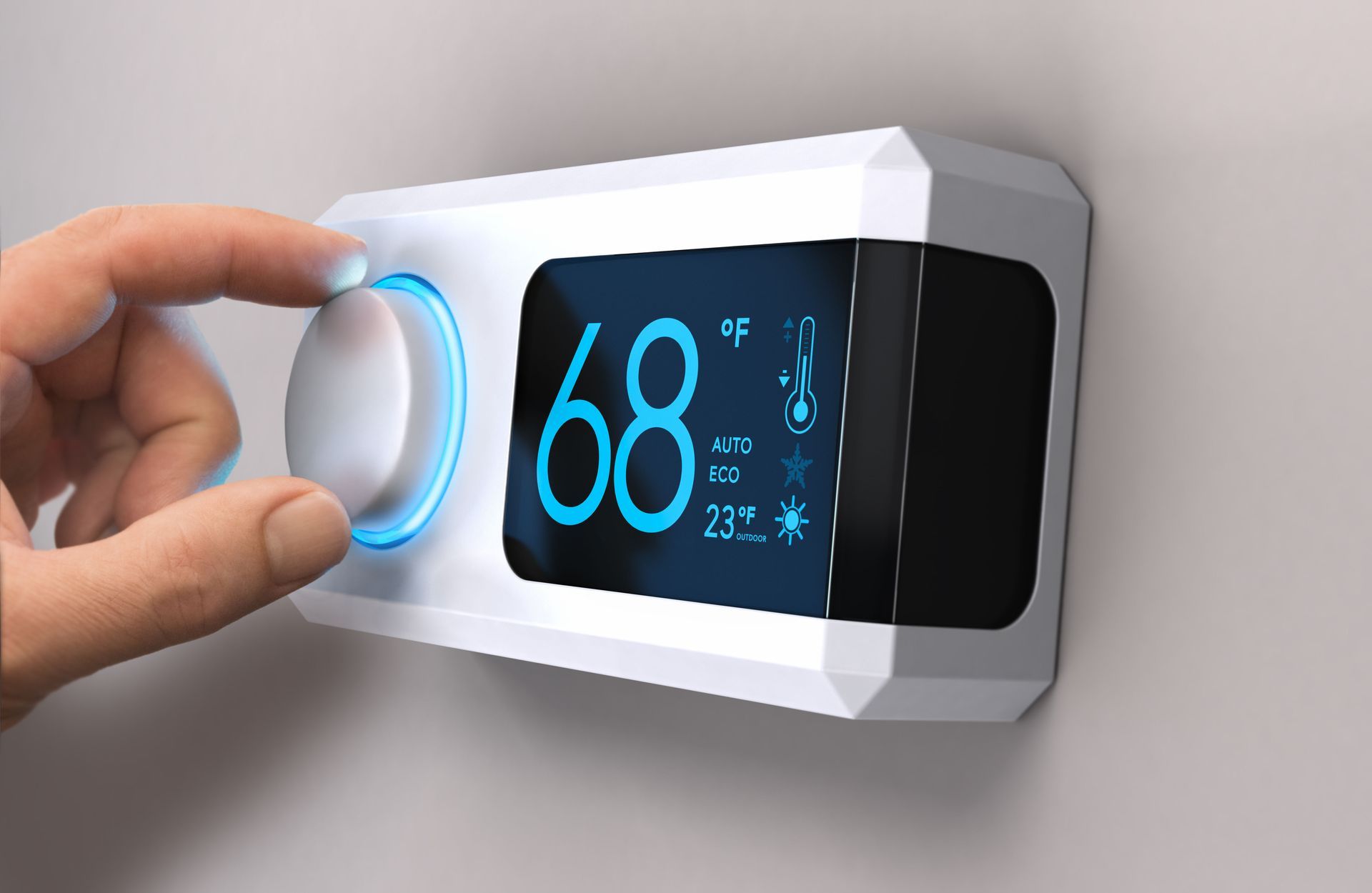
Smart thermostats are advanced devices that enable homeowners to control their home's heating and cooling systems with greater precision and convenience. These devices typically connect to the internet, allowing control through smartphones, tablets, or other smart interfaces. The integration of smart thermostats with HVAC systems helps provide an optimized climate in homes while potentially saving energy and reducing utility costs. Besides simple temperature control, smart thermostats can learn your patterns and preferences to automatically adjust settings for maximum comfort and efficiency.
With the increased emphasis on energy conservation, smart thermostats have become a pivotal upgrade for modern homes. Their primary features often include scheduling capabilities, geofencing, and advanced user interfaces that offer insights into energy usage patterns. By understanding these patterns, users can make informed decisions about their habits that impact energy consumption. The resulting convenience and potential cost savings make smart thermostats an appealing option for many consumers.
1.2 Key Technologies Utilized
Smart thermostats utilize several advanced technologies to manage the temperature effectively within a household. Wifi connectivity is a fundamental feature, enabling users to control their thermostat from virtually anywhere. This technology facilitates seamless communication between the user and the HVAC systems, using cloud-based services to provide insights and updates. Another critical element is the use of sensors and algorithms that help learning user behavior to adjust temperatures automatically, improving both comfort and efficiency.
Furthermore, smart thermostats utilize geo-fencing technology, which detects when the house is occupied or vacant, adjusting the temperature accordingly. This feature alone can lead to substantial energy savings, as it prevents unnecessary heating or cooling when no one is home. Integration with other smart systems, such as intelligent lighting and security, is also possible with smart thermostats, creating a more cohesive home automation environment. The ability to engage with multiple platforms and devices highlights the technological sophistication of these thermostats.
1.3 Differences Between Smart and Traditional Thermostats
Traditional thermostats require manual input for temperature adjustments, which can be both inconvenient and inefficient. According to Today's Homeowner, it’s generally smarter to replace an A/C unit if the repair costs reach 50% or more of the price of a new one. Unlike their conventional counterparts, smart thermostats offer automated solutions that learn and adapt over time. The primary advantage of smart thermostats is their ability to maintain comfort while optimizing energy usage in response to actual user behavior and environmental changes. This results in potential cost savings and reduced carbon footprints, as efficient energy management becomes more achievable.
The difference in convenience also sets these systems apart. Smart thermostats can be controlled remotely, ensuring temperature adjustments can be made from anywhere at any time. Even in case of HVAC system maintenance, users can be notified promptly, supporting proactive measures rather than reactive ones. Furthermore, with predictive abilities, smart thermostats can offer maintenance alerts, which can prove invaluable in deciding whether it might be more cost-effective to contact an AC company about potential repairs or replacements.
2. How Do Smart Thermostats Integrate With Modern HVAC Systems?
2.1 Basic Integration Processes
Integrating a smart thermostat with an existing HVAC system generally involves a straightforward process, yet it requires careful consideration of compatibility and configuration. The first step generally includes reviewing the specifications of your HVAC system to ensure it accommodates the connections required by modern smart thermostats. Wiring plays a crucial role in this step, as most smart thermostats require a c-wire to provide continuous power. This initial stage ensures the right foundation for the subsequent steps in the integration journey, minimizing the likelihood of functional difficulties.
After verifying compatibility, the actual installation can begin with simple swap-out steps replacing the existing thermostat with the new smart model. Popular models come equipped with user-friendly guidelines and resources for easy installation, but an AC company may be sought for those unsure of electrical requirements. Modern smart thermostats typically’re motorized for simplicity, enabling straightforward integration with existing mounts. Activation often involves connecting the thermostat to your home wifi network, securely establishing communication lines with smart devices on the network.
2.2 Wireless Connectivity Options
One of the standout features of smart thermostats is their ability to communicate wirelessly with other smart devices and networks around the home. Wifi is the primary mode of connectivity, enabling robust interaction and control from anywhere via the internet. This consistent connectivity not only facilitates daily operation but offers users comprehensive access to energy usage data and device settings. Even when away from home, smart thermostats seamlessly maintain operation while continuously refining settings based on user interaction through mobile apps.
Zigbee and Z-Wave are alternative protocols used in some smart thermostat systems, renowned for their energy efficiency and reliability in home automation networks. These wireless communication protocols offer flexible connectivity options due to their mesh network capabilities, seamlessly linking various smart units including HVAC controls. Through this feature, smart thermostats can efficiently exchange information and commands with other smart devices within the household ecosystem. This interconnectivity ensures that the HVAC system operates at peak efficiency, responding rapidly to changes in user settings or environmental conditions.
Compatibility considerations play a vital role in ensuring the successful integration of these wireless technologies with existing HVAC systems. Many smart thermostats are designed to work specifically with certain brands or models, necessitating careful evaluation of product specifications. Ensuring seamless communication between devices involves careful selection based on compatibility, as advances in wireless technologies continue to evolve the landscape of home automation. As such, consulting with an ac company or professional installer can alleviate concerns around compatibility issues during installation of a smart thermostat.
2.3 Compatibility Considerations
Compatibility remains a fundamental aspect to consider when integrating a smart thermostat with an HVAC system. Different HVAC systems have varied designs, which means not all smart thermostats will be suitable for every setup. Incompatibility can result in inefficient operations or even damage to the HVAC components. To prevent such issues, a comprehensive assessment of the HVAC system's configuration and the smart thermostat’s specifications is crucial.
An AC company offer specific models that cater to certain HVAC systems, thereby minimizing compatibility problems. Homeowners are encouraged to seek input from their HVAC providers or review their user manuals to verify compatibility with potential smart thermostats. Failure to address these considerations can lead to significant setbacks both in terms of costs and comfort. Proper diligence ensures that a smart thermostat not only fits but functions smoothly with the whole heating and cooling setup.
Moreover, integration challenges can often be preempted through consultations with an AC company. Their expert insights are invaluable in laying out the prerequisites required for a successful integration. Verifying that all components align with the desired smart system prevents unnecessary inconvenience and maximizes the benefits of smart thermostats. Proactive research and engagement with HVAC and smart device resources make way for seamless transitions into intelligent home climate management.
In summary, the integration of smart thermostats with modern HVAC systems provides numerous benefits, including energy efficiency, enhanced usability, and sustainable living. This article has thoroughly examined what smart thermostats are, how they work, and the various technologies that enable their advanced functionalities. Important distinctions between smart and traditional thermostats were also discussed, highlighting how they drive both energy savings and user convenience.
The seamless integration of smart thermostats into an existing HVAC system with the help of an AC company
presents a pathway towards improved energy management, resulting in reduced utility bills. As seen, wireless connectivity, compatibility considerations, and troubleshooting techniques all play essential roles in ensuring successful integration. With the insights provided, homeowners can make informed decisions about incorporating these devices into their living environments.
By investing in smart climate management tools, homeowners partake in the enhancement of energy-efficient practices vital for both economic savings and ecological conservation. Smart thermostats, as depicted, not only align with modern living standards but also champion sustainable practices that support a more responsible future. Their combination of intelligence, convenience, and efficiency affirms their standing as a vital component in modernizing HVAC systems and optimizing home comfort. Reach out to Comfort Experts today to see how we can help you!
Wondering how an air conditioning repair company can help your project? Check out this guide and call today to learn more!

Maximize your air conditioner's lifespan and efficiency with routine maintenance. Book professional AC services today to keep your home cool and comfortable.
Learn why timely AC repairs matter. Address warning signs to prevent costly breakdowns, improve efficiency, protect air quality, and maintain home comfort.
Share On: